


For many homeowners, the roof is one of the most overlooked parts of the home. As long as there are no leaks or missing shingles visible from the ground, it’s easy to assume everything is in good condition.
Unfortunately, roofing problems often develop long before they become noticeable. A small crack in a flashing detail, a damaged vent seal, or a loose shingle may not immediately cause a leak. Over time, however, these seemingly minor issues can lead to water damage, mold growth, structural deterioration, and costly repairs.
That’s why regular roof inspections in London are one of the smartest investments a homeowner can make.
At Courtney Roofing, one of the most common questions we hear is, “What exactly happens during a roof inspection?”
Let’s take a closer look at what a professional roofing contractor evaluates during an inspection and why the process is so valuable.
Why Roof Inspections in London Matter
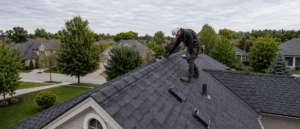
Your roof is exposed to the elements every day of the year.
In London and Southwestern Ontario, roofing systems must withstand:
- Strong winds
- Heavy rainfall
- Snow accumulation
- Ice storms
- Hail
- Freeze-thaw cycles
- Summer heat and UV exposure
Over time, these conditions naturally cause wear and tear.
A roof inspection allows potential issues to be identified before they become major problems. In many cases, small repairs discovered during an inspection can prevent expensive emergency repairs later.
Regular inspections also help homeowners better understand the condition of their roof and plan for future maintenance or replacement.
The Inspection Begins with a Visual Assessment
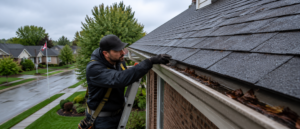
A professional roof inspection typically starts with an overall visual assessment of the property.
The inspector will evaluate the roof’s general condition and look for obvious signs of damage or deterioration.
This initial review helps identify areas that may require closer examination.
The inspector may also ask questions such as:
- How old is the roof?
- Have there been any recent leaks?
- Has the property experienced storm damage?
- Have any repairs been completed in the past?
- Are there areas of concern the homeowner has noticed?
These details help provide context for the inspection.
Evaluating the Shingles
For asphalt roofing systems, shingles are one of the primary areas of focus.
The inspector will look for signs of:
- Missing shingles
- Cracked shingles
- Curling or buckling
- Granule loss
- Wind damage
- Hail impacts
- Improper installation
- Uneven wear patterns
Even minor shingle damage can create opportunities for water intrusion.
Identifying these concerns early often allows for targeted repairs that help extend the life of the roof.
Inspecting Flashing and Roof Penetrations
Many roof leaks occur around roof penetrations rather than in the field of the roof itself.
Areas around chimneys, skylights, plumbing vents, exhaust vents, and wall intersections require special attention.
During the inspection, flashing components are checked for:
- Cracks
- Corrosion
- Separation
- Loose fasteners
- Failed sealants
- Improper installation
These areas are critical because even a small gap can allow water to enter the roofing system.
Checking Roof Ventilation
A healthy roof depends on proper attic ventilation.
Poor ventilation can contribute to:
- Excessive attic heat
- Moisture buildup
- Mold grown
- Ice dam formation
- Premature shingle deterioration
A professional roof inspection in London often includes an assessment of attic ventilation systems.
The inspector may evaluate:
- Soffit vents
- Ridge vents
- Roof vents
- Airflow patterns
- Signs of condensation
- Moisture accumulation
Ventilation problems are often hidden from view but can significantly impact roof performance and lifespan.
Examining the Attic
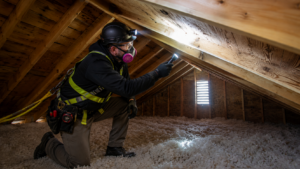
In many cases, the attic tells an important part of the story.
A roofing contractor may inspect the attic for signs of:
- Water penetration
- Wet insulation
- Mold growth
- Wood deterioration
- Condensation
- Air leakage
- Ventilation deficiencies
Because water can travel considerable distances before becoming visible inside the home, attic inspections often help identify hidden issues that may not yet be affecting interior living spaces.
Assessing Eavestroughs and Drainage Systems
A roof’s drainage system plays a major role in protecting both the roof and the home.
During the inspection, gutters and downspouts may be evaluated for:
- Blockages
- Debris accumulation
- Improper drainage
- Sagging sections
- Leaks
- Overflow concerns
When water cannot drain properly, it may back up beneath roofing materials or contribute to ice dam formation during the winter months.
Maintaining proper drainage helps prevent many common roofing problems.
Looking for Storm Damage
Ontario weather can be unpredictable.
High winds, hailstorms, and heavy rain can damage roofing materials even when that damage isn’t immediately visible from the ground.
During a professional inspection, the contractor will look for evidence of:
- Wind-lifted shingles
- Hail impacts
- Flashing displacement
- Fallen branch damage
- Punctures
- Water entry points
Early identification of storm-related damage can help homeowners address issues before they worsen and may assist when dealing with insurance claims.
Identifying Maintenance Opportunities
Not every roof inspection in London results in major repairs.
In fact, many inspections uncover relatively minor maintenance items that can be corrected quickly and affordably.
Examples may include:
- Replacing a few damaged shingles
- Resealing flashing
- Securing loose vents
- Cleaning debris from drainage systems
- Addressing small animal entry points
These preventative measures often help avoid larger repair costs in the future.
Understanding the Roof’s Remaining Lifespan
One of the most valuable aspects of a roof inspection is gaining a better understanding of the roof’s overall condition.
Many homeowners want to know:
- Is my roof still in good shape?
- How many years might it have left?
- Should I budget for replacement soon?
- Are repairs sufficient for now?
While no contractor can predict the exact lifespan of a roof, an experienced roofing professional can provide guidance based on the condition of the roofing materials and overall system performance.
This information helps homeowners plan ahead rather than being surprised by unexpected roofing expenses.
The Benefits of Regular Roof Inspections
Scheduling regular inspections provides several important benefits:
- Early detection of problems
- Reduced risk of leaks
- Extended roof lifespan
- Better energy efficiency
- Improved attic health
- Lower repair costs
- Greater peace of mind
Much like routine maintenance for a vehicle, preventative roof care can help protect one of the most important investments you own.
Why Many Homeowners Choose RoofCheck®
At Courtney Roofing, our RoofCheck® program was developed to help homeowners stay ahead of roofing problems.
Regular inspections allow our team to identify concerns before they become emergencies.
Minor repairs and maintenance can often be completed during scheduled visits, helping homeowners protect their property and avoid unexpected surprises.
For many homeowners, RoofCheck® provides the confidence of knowing their roof is being professionally monitored throughout the year.
Final Thoughts
A professional roof inspection involves much more than simply looking at shingles.
It is a comprehensive evaluation of the roofing system, including flashing, ventilation, drainage, attic conditions, and signs of wear or damage. The goal is to identify issues early, protect the home, and help homeowners make informed decisions about maintenance and repairs.
At Courtney Roofing, we’ve been helping homeowners throughout London and the surrounding area protect their homes for nearly 50 years. Our experienced team understands how Ontario’s weather affects roofing systems and what it takes to keep them performing at their best.
If it’s been a while since your last roof inspection in London, now may be the perfect time to schedule one. A professional assessment today could help prevent costly repairs tomorrow.